Start with footprint
Design discussions begin with the clearance around gates, doors, stairs, grill zones, and garden beds because a product that blocks movement will not stay useful for long.
About Keter
Keter is built around a straightforward idea: outdoor space should be useful without becoming another maintenance burden. The brand brings storage, seating, garden organization, and small outdoor structures into families of products that are easy to understand and practical to live with. Every project begins with home routines, not with a decorative trend. Where will the cushions go after rain, how will garden tools be separated from toys, what can fit beside a grill, and how does a homeowner open a lid while carrying supplies?
Mission
Keter develops products for the daily moments that decide whether a yard feels easy or cluttered. A storage bench has to be comfortable enough to use, a deck box has to protect contents without taking over the patio, and a shed has to organize bulky tools while leaving enough room to move. The mission is to give homeowners durable resin systems that solve those practical problems in a clean, repeatable way.
Vision
Outdoor rooms are not only for special weekends. They hold deliveries, hoses, cushions, bikes, seasonal bins, planters, and small projects. Keter looks at those spaces as working rooms with weather, dirt, sun, and changing schedules. The goal is to make products that can sit outside, clean quickly, and support different routines without forcing a complicated installation plan.
How the team works
Design discussions begin with the clearance around gates, doors, stairs, grill zones, and garden beds because a product that blocks movement will not stay useful for long.
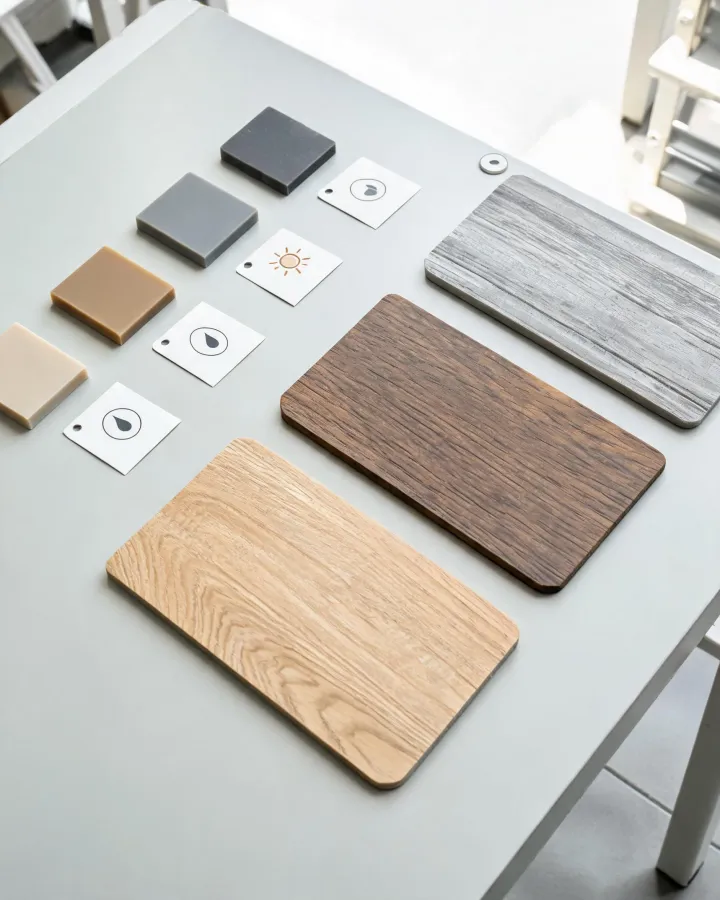
Resin texture, drainage, lid geometry, and panel fit are reviewed against sun, rain, dust, and weekly cleaning instead of only against showroom appearance.
Hardware groups, panel orientation, and instruction flow are treated as part of the product experience, especially for larger sheds and furniture that arrives in sections.
Hinges, handles, wheels, shelves, and interior dimensions matter because homeowners return to these products every week, not only on the day they assemble them.


Culture in practice
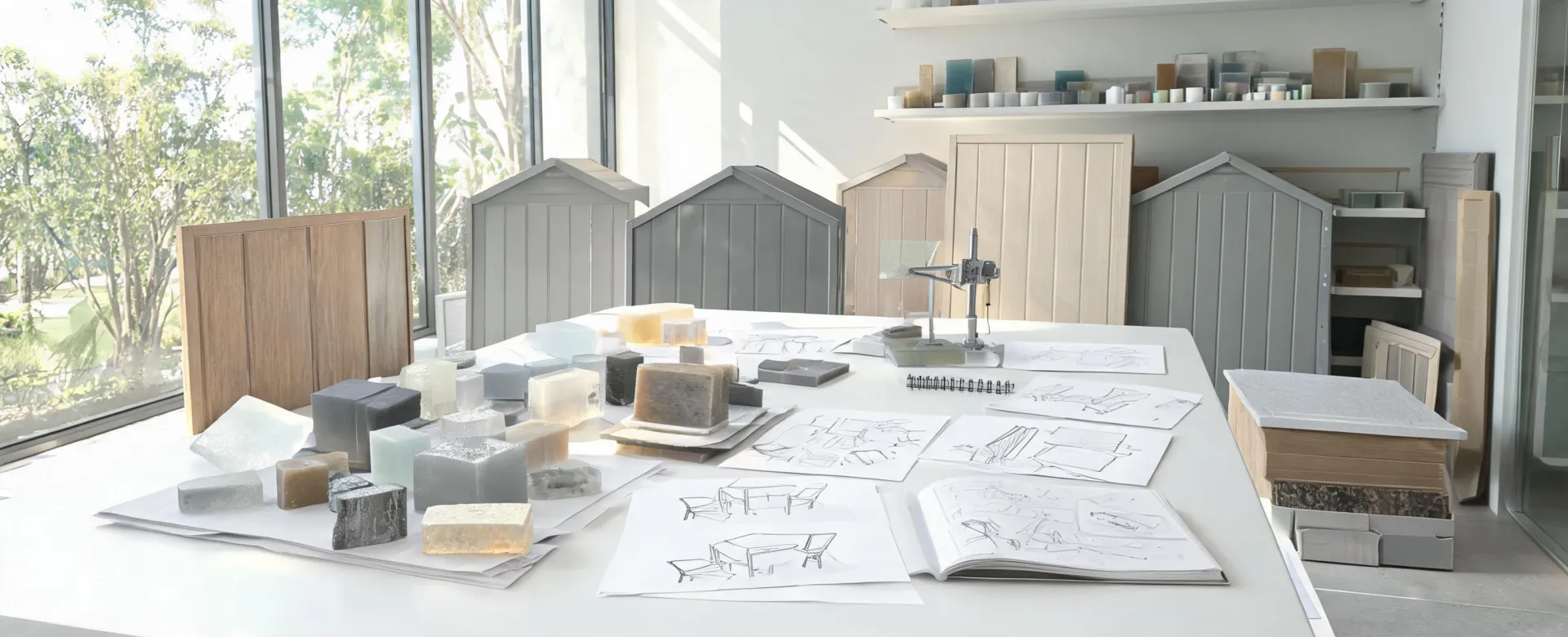
The work environment mixes product sketches, material boards, assembly mockups, and lifestyle trials. A product is reviewed as storage volume, furniture, weather shield, hand contact, and delivery package at the same time. That practical culture helps Keter keep the line focused: the catalog should be broad enough to organize the yard, but clear enough that a customer can choose without decoding a technical manual.
Work with Keter
Whether you are planning a dealer assortment, comparing resin sheds for a property program, or selecting outdoor storage for a compact patio, a practical conversation helps turn product families into a usable plan.